October 30, 2026
Creating an attractive and functional outdoor space involves more than planting flowers, maintaining a lawn, and trimming trees. Hardscaping plays an important role in transforming ordinary yards into inviting environments that homeowners can enjoy throughout the year. From patios and walkways to retaining walls and outdoor kitchens, these structural features provide both practical benefits and visual appeal. Understanding the fundamentals of hardscaping can help homeowners make informed decisions about their outdoor improvement projects.
Whether you're planning a complete backyard transformation or looking to add a few functional features, knowing what goes into a successful project is essential. The right materials, thoughtful design, and professional installation can significantly improve how your property looks and functions. This guide explores the basics of hardscaping, including common features, popular materials, installation considerations, and maintenance requirements.
Understanding the Basics of Hardscaping
Hardscaping refers to the nonliving, structural elements incorporated into landscape design. While softscaping focuses on plants, trees, grass, and other vegetation, hardscaping includes permanent or semi-permanent features constructed from materials such as stone, brick, concrete, and wood. These elements create defined spaces, improve accessibility, and provide structure throughout an outdoor environment.
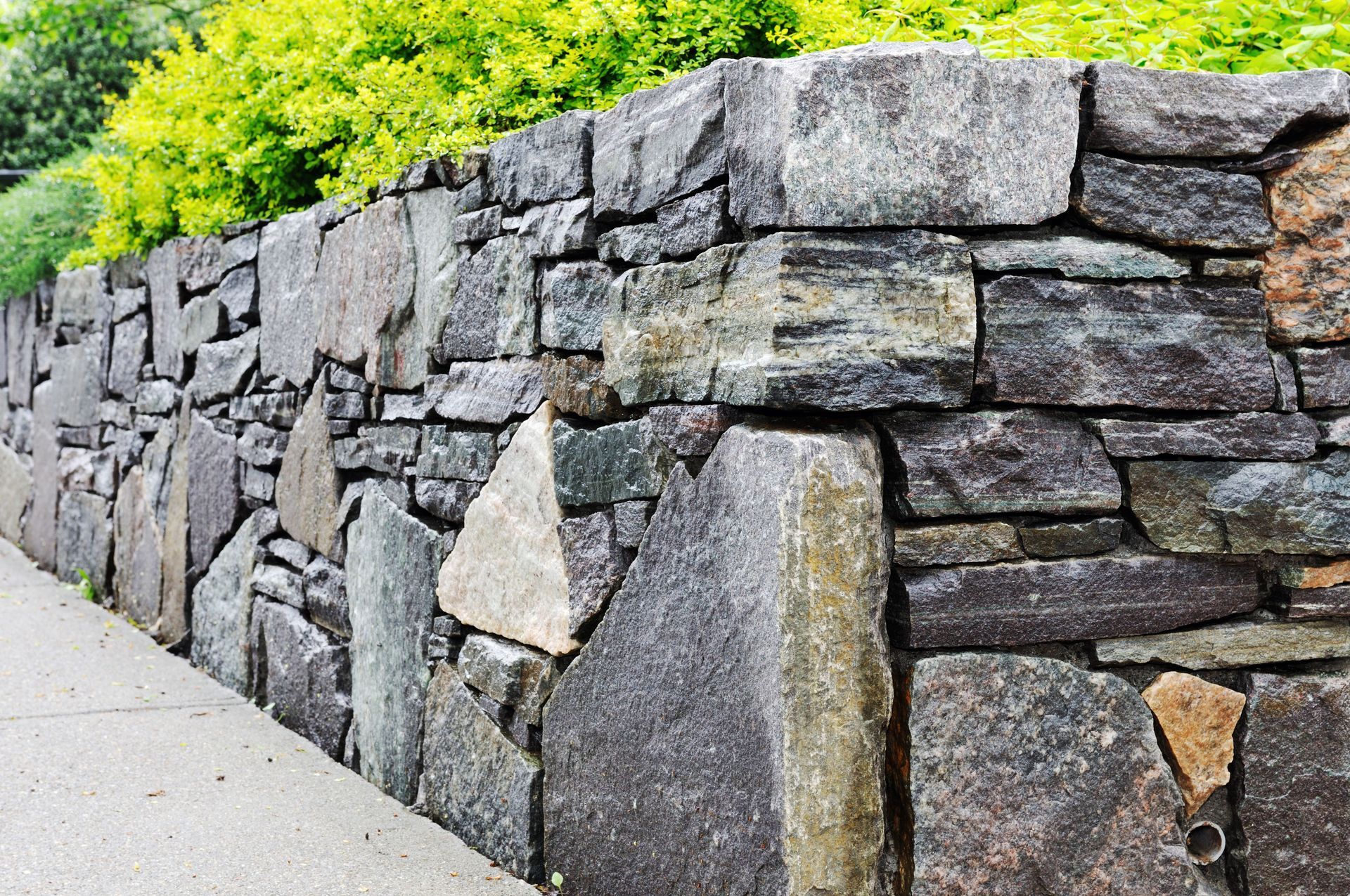
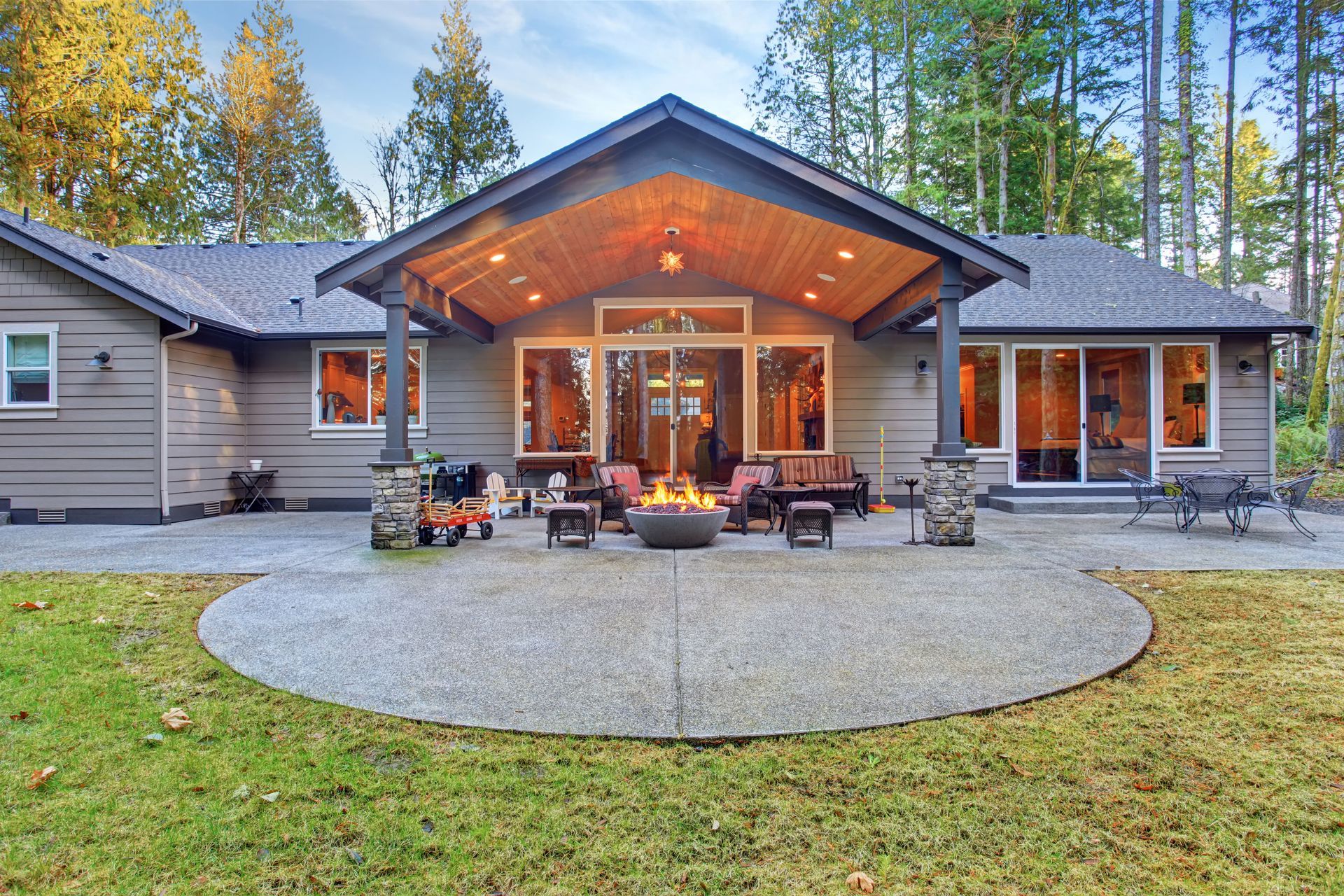
Some of the most common features include patios, walkways, retaining walls, driveways, outdoor fireplaces, and seating areas. Each serves a different purpose, but all contribute to the overall functionality and appearance of a property. For example, a stone walkway can provide a convenient route between different areas of a yard, while a retaining wall can help manage changes in elevation.
One of the primary advantages of incorporating structural elements into landscaping is the opportunity to create outdoor spaces that require less routine upkeep than traditional lawns or garden beds. When properly designed, these features can also complement the surrounding vegetation and architectural style of a home.
Understanding how these elements work together is the first step toward developing an outdoor design that meets your needs.
Exploring the Benefits of Hardscaping
Investing in outdoor improvements can provide several advantages beyond enhancing a property's appearance. One significant benefit is the ability to create functional living areas that extend beyond the walls of a home. Patios, outdoor kitchens, and seating areas offer dedicated spaces for entertaining guests, enjoying family gatherings, or relaxing after a long day.
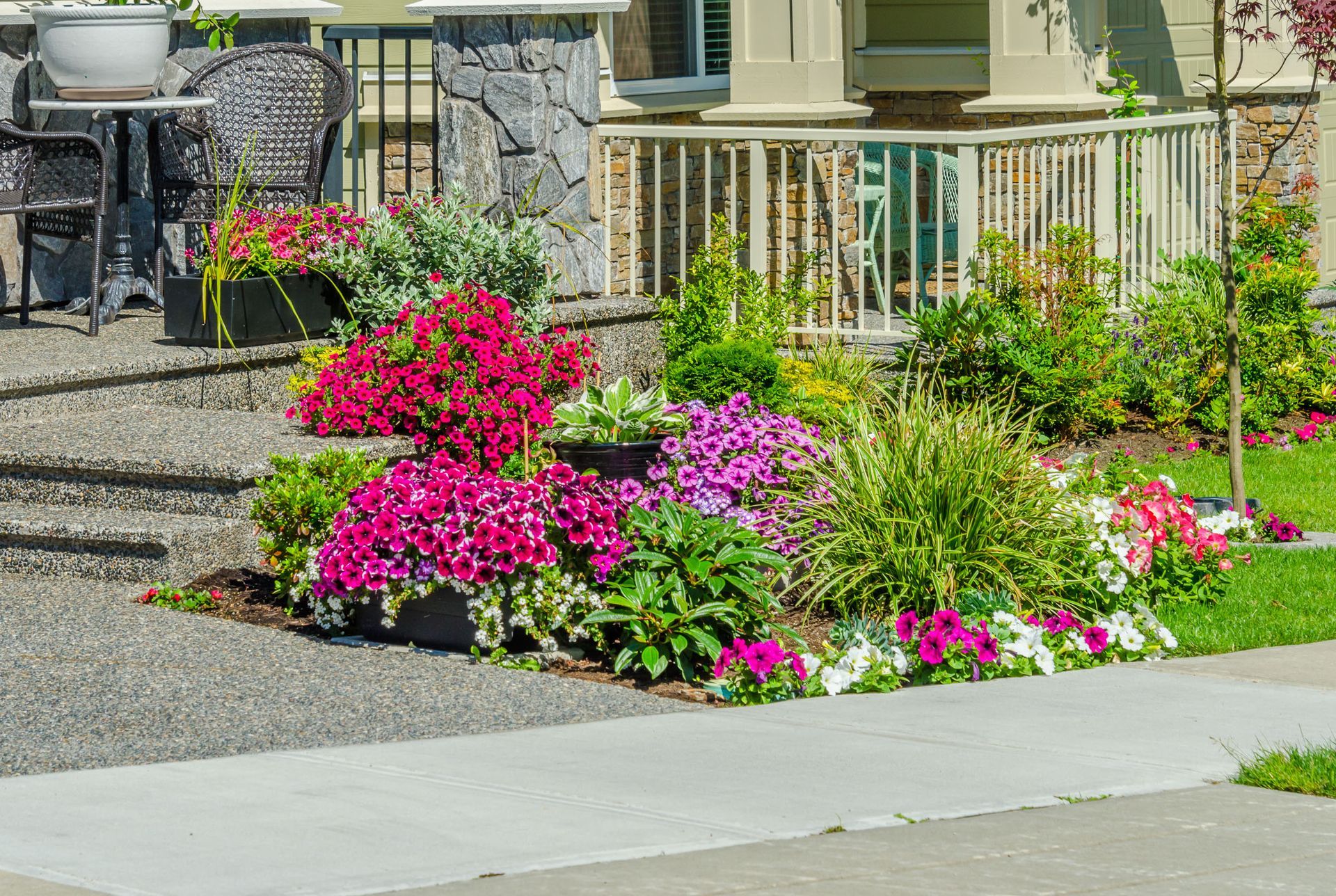
Another important advantage is improved property accessibility. Well-designed walkways and steps make it easier to move between different sections of a yard. These features can be particularly valuable for properties with uneven terrain or areas that become muddy during rainy weather.
Hardscaping can also contribute to better drainage and erosion management. Retaining walls, properly graded surfaces, and strategically placed drainage systems help direct water away from vulnerable areas. These improvements may reduce soil movement and protect surrounding landscaping when installed appropriately.
Additionally, attractive outdoor features can increase a property's appeal to prospective buyers. A thoughtfully designed patio or walkway creates a more polished appearance and demonstrates how outdoor space can be used effectively.
By combining functionality with visual appeal, homeowners can create an environment that accommodates everyday activities while complementing their property's natural surroundings.
Choosing the Right Hardscaping Materials
Selecting appropriate materials is one of the most important decisions involved in an outdoor improvement project. Different materials offer varying levels of durability, maintenance requirements, and aesthetic appeal. Understanding these differences can help homeowners choose options that align with their budgets and design preferences.
Natural stone is a popular choice because of its distinctive appearance and long-lasting characteristics. Materials such as flagstone, granite, and limestone can be incorporated into patios, walkways, and retaining walls. Their natural textures and color variations create a timeless appearance that complements many architectural styles.
Concrete is another versatile option. It can be poured into different shapes, stamped with decorative patterns, or manufactured into individual pavers. Concrete products often provide a practical balance between affordability and durability.
Brick offers a traditional appearance that works particularly well with classic home designs. Its warm colors and recognizable patterns make it suitable for pathways, patios, and decorative borders.
Durability should always be considered when comparing materials. According to HomeAdvisor, stone veneer usually lasts 25 to 75 years with proper installation and maintenance. Although stone veneer differs from structural paving materials, this lifespan demonstrates the potential longevity of properly maintained masonry features.
Climate conditions, anticipated foot traffic, and installation requirements should also influence material selection. Professional guidance can help homeowners identify suitable products for their specific outdoor environments.
Planning the Perfect Hardscaping Design
A successful outdoor improvement project begins with careful planning. Before selecting materials or scheduling construction, homeowners should consider how they intend to use their outdoor space. Establishing clear priorities helps create a design that balances appearance, functionality, and available space.
Start by evaluating the property's existing layout. Consider factors such as yard dimensions, slopes, drainage patterns, sunlight exposure, and nearby structures. These characteristics can influence where certain features should be installed and which materials will perform best.
For example, a patio intended for outdoor dining should provide sufficient room for furniture and comfortable movement. Similarly, walkways should connect frequently used areas through convenient routes rather than forcing visitors to cross lawns or garden beds.
Another important consideration is maintaining a consistent design. Hardscaping elements should complement the home's exterior materials and surrounding landscape. Coordinating colors, textures, and shapes can create a cohesive appearance throughout the property.
Homeowners should also establish a realistic budget that accounts for materials, labor, site preparation, and potential drainage improvements. Planning for these expenses early can reduce unexpected financial challenges during construction.
Working with experienced professionals can simplify the design process and help turn initial ideas into a practical outdoor improvement plan.
Preparing for the Hardscaping Installation Process
Proper installation is essential for achieving attractive and durable results. Although construction methods vary depending on the project, most installations begin with evaluating and preparing the site. This process may involve removing existing vegetation, excavating soil, and establishing the appropriate foundation.
Site preparation is particularly important because outdoor structures must withstand changing weather conditions, moisture exposure, and regular use. An improperly prepared base can contribute to shifting pavers, uneven surfaces, or drainage problems over time.
For patios and walkways, contractors typically establish a compacted foundation before installing the selected surface materials. Retaining walls may require additional engineering considerations, particularly when supporting significant amounts of soil or accommodating changes in elevation.
Drainage also deserves careful attention. Water should be directed away from structures and areas where excessive moisture could cause damage. Depending on the property's characteristics, contractors may incorporate grading adjustments or drainage components into the installation.
The overall timeline depends on project size, material availability, weather conditions, and site accessibility. Smaller installations may require relatively little time, while extensive outdoor transformations can involve multiple construction phases.
Professional installation helps homeowners achieve results that are both visually appealing and structurally appropriate for their properties.
Maintaining Your Hardscaping Features
Although structural landscape features generally require less frequent maintenance than lawns and gardens, routine care remains important for preserving their appearance and performance. Maintenance requirements vary depending on the materials used and the environmental conditions surrounding the installation.
Regular cleaning helps prevent dirt, leaves, and debris from accumulating on patios, walkways, and other surfaces. Some materials may benefit from periodic sealing to reduce staining and moisture penetration. However, homeowners should follow recommendations specific to their selected products.
Inspecting outdoor structures for movement, cracks, or drainage issues is another valuable maintenance practice. Addressing minor concerns promptly may prevent more extensive repairs later.
Hardscaping offers homeowners an opportunity to transform their outdoor spaces through durable materials, functional designs, and attractive structural features. From selecting the right materials to understanding installation and maintenance requirements, careful planning plays an important role in achieving lasting results.
Whether you're interested in adding a patio, constructing a retaining wall, or redesigning your entire backyard, professional assistance can make the process more manageable. At Cumberland Hardscapes, we're ready to help you explore outdoor improvement possibilities that complement your property and lifestyle. Contact our team today to discuss your next project.